Education

🌍 Transforming Young Minds Through AI Education in Ogun State

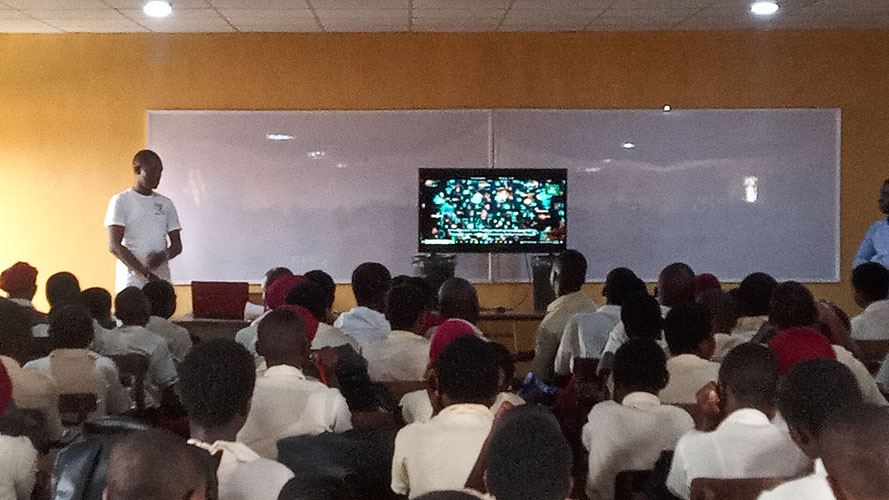
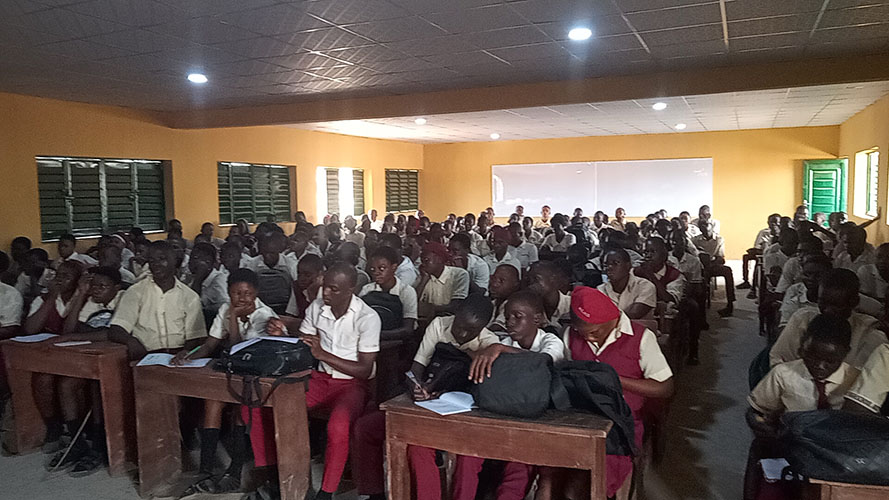
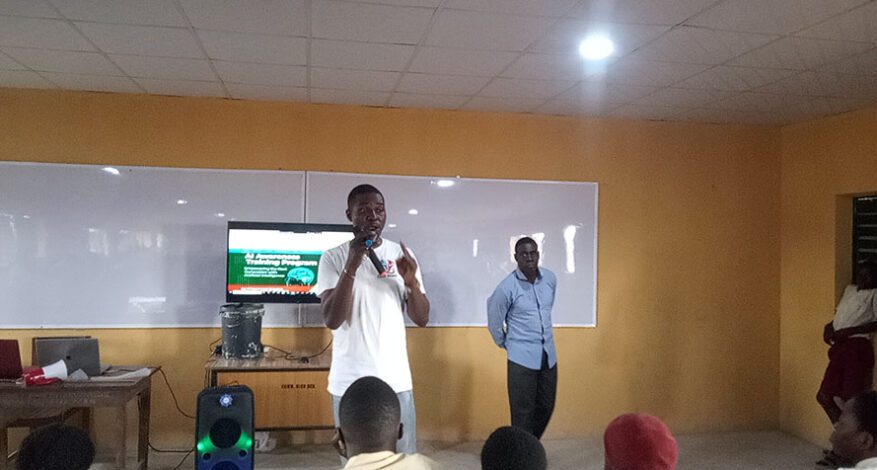
We’re excited about the ongoing AI Education Program across Government Schools in Ifo Local Government Area, Ogun State — an inspiring initiative of the Child Shelter & Awards Foundation (CSAAF) in partnership with WITIWORLD Solutions. 💙

Every day, we watch students light up as they learn how Artificial Intelligence (AI) works — not just as a technology, but as a tool for solving real problems in their schools and communities. 💡✨

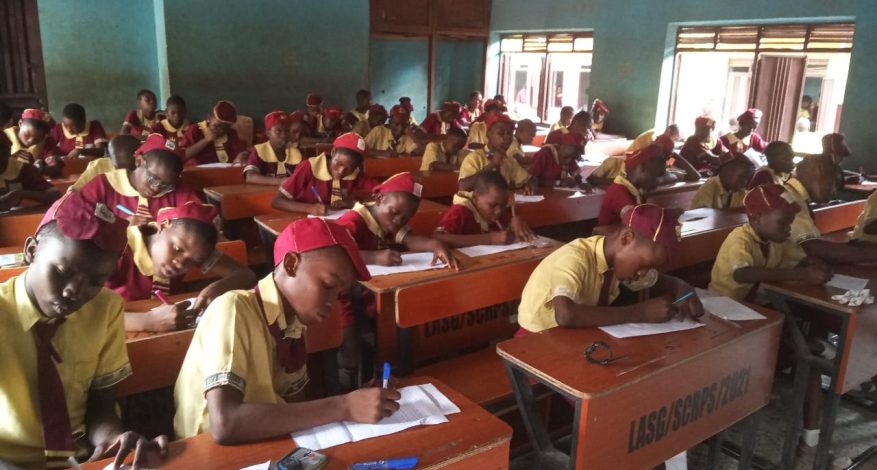
Through our AI Clubs, young learners are being mentored weekly to build creativity, confidence, teamwork, and innovation. These clubs are already transforming classrooms into hubs of imagination and discovery.

As the program grows, we’re preparing for our AI Exhibitions, Inter-School Competitions, and Awards Ceremony — where students will proudly showcase their projects and ideas that reflect the future they dream of. 🏆🤖

👉 We believe every child deserves access to digital education.
That’s why we’re calling on brands, corporate organizations, and development partners to join us as sponsors and collaborators — to help expand this movement and give more students a chance to learn, dream, and innovate.

Together, let’s share the future right. ❤️

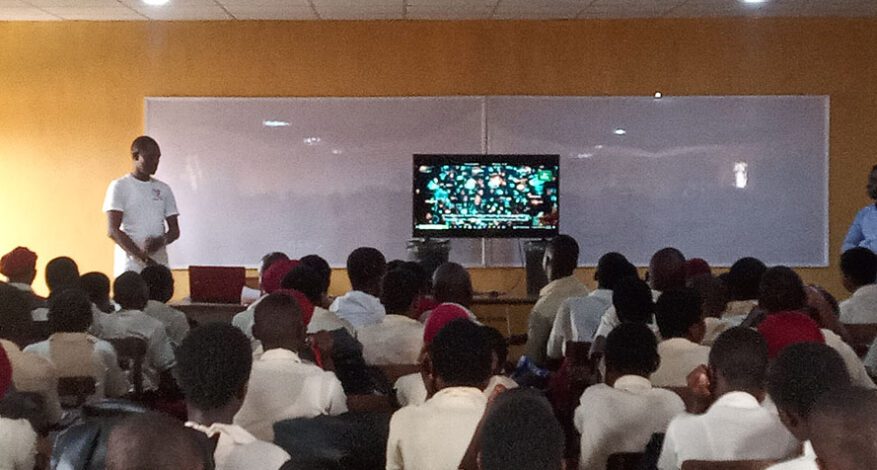
📸 (See photos from our AI classes and club sessions below)
🌐 Learn more or partner with us 👉 https://childaward.org

#AIForEducation #ChildShelterAwardsFoundation #WITIWORLD #AIEducation #YouthEmpowerment #TechForGood #OgunState #Nigeria #DigitalSkills #FutureReady #CSR #CommunityDevelopment #Innovation #AIClub #EducationReform

READ MORE
Education

The Importance of AI Education in Secondary Schools in Nigeria and Across Africa

The Importance of AI Education in Secondary Schools in Nigeria and Across Africa

In today’s world, Artificial Intelligence (AI) is not just a buzzword — it is reshaping industries, education, and the future of work. Yet, while developed nations are rapidly integrating AI into their school systems, many African countries, including Nigeria, are still playing catch-up. The time to act is now.

Why AI Education Matters in Secondary Schools

Introducing AI education early — particularly in secondary schools — is a game-changer. It provides young Africans with the mindset, skills, and confidence needed to thrive in the 21st-century economy.

Here are some key reasons why AI education is essential in Nigerian and African secondary schools:


🔹 1. Preparing Students for the Future of Work

Automation and intelligent systems are transforming jobs across sectors — from agriculture to banking, health, transport, and education.
By learning AI early, students develop digital literacy, problem-solving, and analytical thinking skills that prepare them for future careers in:

  • Data Science

  • Robotics

  • Software Engineering

  • Healthcare Technology

  • Smart Agriculture

  • Cybersecurity

These skills are becoming as fundamental as reading and writing.


🔹 2. Encouraging Innovation and Creativity

When students learn how AI tools work, they don’t just consume technology — they create solutions.
AI education sparks critical thinking and creativity, enabling young minds to solve local challenges such as:

  • Waste management and recycling

  • Insecurity and surveillance

  • Healthcare accessibility

  • Traffic management

  • Agricultural productivity

By understanding AI, students can design intelligent systems that transform their communities.


🔹 3. Bridging the Global Digital Divide

Africa has the youngest population in the world, yet limited access to tech education.
Integrating AI into secondary school curricula ensures that African youth are not left behind in the global digital revolution.
It positions the continent to contribute to — and not just consume — global technology innovations.


🔹 4. Empowering Youth with Entrepreneurial Opportunities

AI is creating a new wave of startups globally. With proper training, African youths can develop AI-based businesses that:

  • Improve local service delivery

  • Create jobs

  • Solve social problems

  • Attract global investors

AI education builds the foundation for a new generation of innovators and tech entrepreneurs.


🔹 5. Enhancing Learning and Academic Performance

AI-powered tools like ChatGPT, Google Bard, and adaptive learning platforms help students learn faster and better.
Teachers can use AI tools for:

  • Personalized learning

  • Automated grading

  • Student progress analysis

  • Interactive learning experiences

This makes learning more engaging, inclusive, and effective for all.


The Role of Government, Private Sector, and Development Partners

To make AI education a reality in secondary schools, partnership is key.
While passionate organizations like Child Shelter & Awards Foundation (CSAF) and WITIWorld Solutions are leading AI training programs in schools and communities, sustainable impact requires support from all stakeholders.

Government Participation

  • Integrate AI education into the national curriculum.

  • Support teacher training programs in AI literacy.

  • Provide grants and infrastructure for digital learning.

  • Encourage public-private partnerships to scale community-driven AI initiatives.


Private Sector & Business Participation

Businesses can sponsor AI bootcamps, inter-school competitions, and digital labs in schools as part of their CSR (Corporate Social Responsibility).
Tech companies, telecom firms, and banks can also:

  • Provide funding for equipment (laptops, internet access, projectors)

  • Offer mentorship and internships for outstanding students

  • Adopt schools to pioneer AI learning hubs

Such investments build the next generation of skilled talent, directly benefiting the private sector and national economy.


NGOs and Educational Organizations

Groups like Child Shelter & Awards Foundation (CSAF) have already started empowering teachers and students through:

  • AI awareness workshops

  • Practical AI training sessions

  • Inter-school competitions and exhibitions

  • Mentorship and award programs

Supporting such organizations helps multiply the reach of AI education across communities — from urban schools to underserved rural areas.


🌍 A Call to Action: Let’s Build Africa’s AI Future Together

Africa stands at a defining moment. The future will not be built by those who merely use technology but by those who understand and create it.
If we start teaching AI today in our secondary schools, we will raise a generation of innovators, creators, and problem-solvers ready to transform Nigeria — and the continent at large.

We call on governments, private organizations, and international partners to collaborate with and sponsor community-based organizations like Child Shelter & Awards Foundation (CSAF) that are already building this movement.

Together, we can ensure that every African child is AI-literate — prepared, empowered, and positioned to lead the world into the future.


✳️ About CSAF

The Child Shelter & Awards Foundation (CSAF), in partnership with WITIWorld Solutions, is committed to promoting AI education and digital empowerment among students and teachers across Nigeria and Africa.
Our programs include AI training for schools, inter-school AI competitions, and community digital inclusion initiatives.

📩 To partner, support, or sponsor our AI Education projects, contact:
Child Shelter & Awards Foundation
✉️ Email: info@childaward.org
📞 Phone: +(234) 802 293 0602

READ MORE
Education

The Importance of Academic Excellence in Secondary Schools and Its Impact on the Future

Academic excellence in secondary schools is more than just achieving high grades; it is the bedrock of a student’s future success. In a rapidly evolving world where knowledge and skills are paramount, the significance of excelling academically during these formative years cannot be overstated. This article explores why academic excellence in secondary education is crucial and how it shapes the future prospects of students.

Defining Academic Excellence

Academic excellence is commonly perceived as achieving high scores in examinations and excelling in coursework. However, a more comprehensive definition includes:

  1. Mastery of Subject Matter: A deep understanding of the subjects being taught.
  2. Critical Thinking Skills: The ability to analyze, evaluate, and synthesize information.
  3. Problem-Solving Abilities: Applying knowledge to tackle complex issues effectively.
  4. Personal Discipline and Work Ethic: Demonstrating dedication and a consistent effort in studies.
  5. Effective Communication: The ability to articulate ideas clearly and persuasively.

This holistic approach to academic excellence helps prepare students not just for higher education, but for the complexities of the professional world.

Why Academic Excellence Matters

1. Foundation for Future Learning

Secondary education serves as the bridge between primary education and higher education or vocational training. Academic excellence ensures that students have a strong grasp of fundamental concepts, which is crucial for success in more advanced studies. It cultivates a love for learning and curiosity that encourages lifelong learning habits.

2. Enhancing Career Opportunities

Employers and higher education institutions often use academic performance as a key indicator of a candidate’s abilities. Excellent academic records can open doors to prestigious universities, scholarships, and job opportunities. In a competitive job market, academic excellence can be the distinguishing factor that sets a candidate apart.

3. Development of Essential Life Skills

Achieving academic excellence requires discipline, time management, and a strong work ethic. These skills are essential in the real world where deadlines, responsibilities, and challenges are a part of everyday life. Students who excel academically often find it easier to adapt to the demands of professional and personal life.

4. Building Confidence and Self-Esteem

Success in academics boosts a student’s confidence and self-esteem. This sense of achievement encourages them to take on new challenges and strive for excellence in other areas of life. Confidence gained through academic success can foster leadership qualities and the ability to inspire and influence others.

5. Contribution to Societal Development

Students who excel academically are more likely to contribute positively to society. They are often better equipped to understand and address societal issues, making informed decisions and taking actions that benefit their communities. Their potential for innovation and critical thinking can drive social and economic progress.

The Role of Secondary Schools

Secondary schools play a crucial role in nurturing academic excellence. They provide the environment, resources, and support necessary for students to thrive. Key aspects include:

1. Quality Teaching and Learning Resources

Access to experienced teachers, up-to-date textbooks, and modern technology enhances the learning experience. Schools that invest in quality resources enable students to engage deeply with their studies.

2. Supportive Learning Environment

A supportive and inclusive learning environment encourages students to express themselves and engage in collaborative learning. Schools that foster a culture of respect, encouragement, and motivation create a positive atmosphere for academic growth.

3. Extracurricular Activities

Involvement in extracurricular activities such as sports, arts, and clubs complements academic learning by developing social skills, teamwork, and leadership abilities. These activities can also provide practical experiences that reinforce academic concepts.

4. Guidance and Counseling

Access to career guidance and counseling helps students make informed decisions about their future education and career paths. Counselors can provide valuable insights into various career options, helping students align their academic efforts with their long-term goals.

Challenges to Achieving Academic Excellence

While the pursuit of academic excellence is essential, several challenges can impede this goal:

1. Socio-Economic Barriers

Students from low-income families often face challenges such as lack of access to quality resources, financial stress, and limited extracurricular opportunities. Addressing these barriers through scholarships, financial aid, and community support is crucial.

2. Learning Disabilities

Students with learning disabilities may require specialized support to achieve their full potential. Schools should provide inclusive education practices and resources to accommodate diverse learning needs.

3. Mental Health Issues

The pressure to excel can lead to stress, anxiety, and other mental health issues. Schools must provide mental health support and create a balanced approach to academic expectations to ensure students’ well-being.

Conclusion

Academic excellence in secondary schools is pivotal for shaping the future of students. It lays the foundation for continued learning, enhances career opportunities, and fosters essential life skills. Secondary schools have a critical role in supporting this excellence through quality education, a supportive environment, and holistic development. By overcoming challenges and nurturing academic excellence, we prepare students to contribute meaningfully to society and lead fulfilling lives.

Emphasizing the importance of academic excellence and providing the necessary support will help students navigate the complexities of the modern world and achieve their full potential. In doing so, we not only ensure their success but also contribute to the betterment of our global community.


By focusing on these aspects, we can better understand the profound impact that academic excellence in secondary schools has on the future of individuals and society as a whole.
READ MORE