The Importance of Women Empowerment in Local Communities and Its Impact on the Development of Nigeria
Women empowerment has become a focal point for fostering sustainable development worldwide, and Nigeria is no exception. Empowering women in local communities is not only a matter of social justice but also a crucial element for the holistic development of the nation. This article delves into the importance of women empowerment in local communities and its far-reaching impact on the development of Nigeria.
Understanding Women Empowerment
Women empowerment refers to the process of increasing the capacity of women to make choices and transform those choices into desired actions and outcomes. It involves:
- Access to Education: Ensuring that women receive equal educational opportunities.
- Economic Participation: Providing avenues for women to participate in economic activities and decision-making.
- Social Inclusion: Enabling women to participate fully in social and political life.
- Legal Rights: Safeguarding women’s rights through effective legal frameworks.
- Health and Well-being: Ensuring access to healthcare and promoting physical and mental well-being.
Empowerment is both a means and an end in achieving gender equality, improving community welfare, and driving national development.
Importance of Women Empowerment in Local Communities
1. Economic Growth and Development
Empowered women contribute significantly to the economic prosperity of their communities. When women have access to education and economic resources, they can start businesses, join the workforce, and increase household income. This not only improves their own economic status but also stimulates local economies through increased spending and investment.
For instance, microfinance initiatives and vocational training programs for women in Nigerian communities have enabled many to start small businesses, generating income and creating employment opportunities for others.
2. Improved Health Outcomes
Empowered women tend to have better access to healthcare and make informed decisions about their health and that of their families. Educated women are more likely to utilize maternal and child health services, leading to reduced maternal and infant mortality rates. Furthermore, they are better equipped to manage family planning, contributing to improved health and well-being.
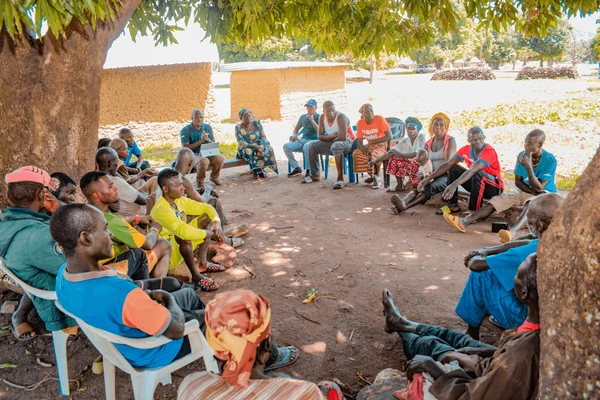
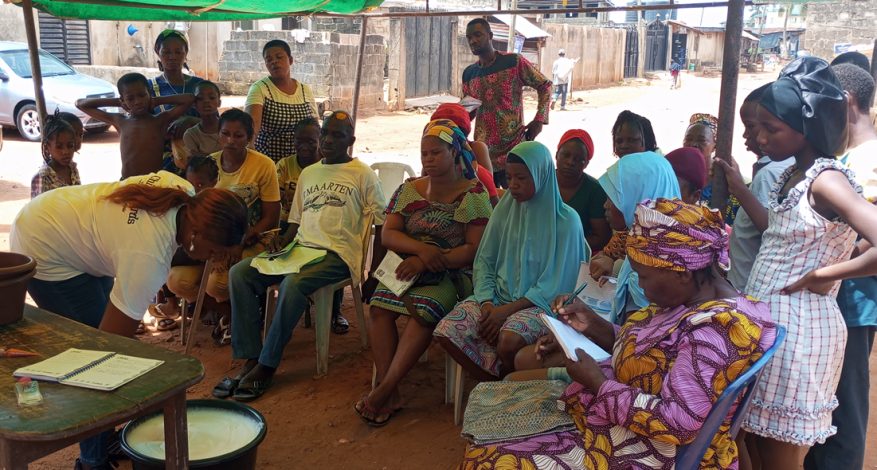
In Nigeria, community health programs that involve women as educators and health workers have seen improvements in health indicators, such as immunization rates and maternal health.
3. Enhanced Education for Future Generations
When women are empowered and educated, they are more likely to invest in the education of their children, particularly daughters. This creates a cycle of education and empowerment that benefits future generations. Educated mothers are also better able to support their children’s academic endeavors, contributing to higher literacy rates and educational attainment in the community.
Programs focused on women’s literacy and education in Nigeria have demonstrated that women who gain educational skills are more likely to advocate for their children’s education, breaking the cycle of poverty and illiteracy.
4. Social and Political Participation
Women’s involvement in social and political activities leads to more inclusive decision-making processes. When women participate in governance, they bring diverse perspectives and address issues that directly impact their lives, such as gender-based violence and child welfare. This inclusive approach results in more comprehensive and equitable community development.
In Nigeria, initiatives that encourage women’s participation in local governance have led to policies that are more responsive to the needs of women and children, promoting community well-being and stability.
5. Reduction of Gender-Based Violence
Empowered women are more likely to stand against gender-based violence and advocate for their rights. Education and economic independence give women the tools to escape abusive relationships and seek justice. Community-based support systems and awareness campaigns play a crucial role in protecting women’s rights and ensuring their safety.
Organizations in Nigeria working on women’s empowerment and gender equality have seen success in reducing instances of gender-based violence through education and support networks.
Impact on the Development of Nigeria
1. National Economic Growth
Empowering women at the local level translates to significant national economic benefits. As women contribute to the workforce and start businesses, they help drive economic growth. Studies have shown that countries with higher levels of gender equality tend to have higher economic growth rates.
In Nigeria, empowering women in agriculture, entrepreneurship, and various industries has contributed to economic diversification and resilience, especially in rural areas where women’s economic participation is vital.
2. Improved National Health Indicators
Nationwide health outcomes improve when women have access to healthcare and education. Empowered women are crucial in combating health challenges such as malnutrition, infectious diseases, and maternal mortality. Their involvement in health initiatives at the community level ensures that health interventions are effective and far-reaching.
Nigeria’s efforts to include women in health programs have led to notable improvements in vaccination rates and maternal health, contributing to the overall health of the nation.
3. Political Stability and Governance
Empowered women contribute to more stable and democratic governance. Their participation in political processes and decision-making leads to more balanced and effective policies that address the needs of all citizens. This inclusivity promotes political stability and reduces conflict.
In Nigeria, increasing women’s participation in politics has started to change the landscape of governance, leading to more comprehensive and inclusive policy-making.
4. Social Progress and Equity
National development is incomplete without social progress and equity. Women’s empowerment promotes social justice, reduces inequalities, and fosters a more inclusive society. This progress is essential for sustainable development and the overall well-being of the nation.
Nigeria’s development programs that focus on gender equality and social inclusion have shown that empowered women are key agents in driving social progress and fostering a more equitable society.
Challenges to Women Empowerment in Nigeria
1. Cultural and Traditional Barriers
Cultural norms and traditional practices often hinder women’s empowerment. These barriers include early marriage, gender discrimination, and limited access to education and economic resources. Overcoming these requires persistent efforts in education, advocacy, and community engagement.
2. Economic Disparities
Economic disparities and poverty limit women’s access to resources and opportunities. Addressing these disparities through economic policies, microfinance, and vocational training is essential for effective empowerment.
3. Legal and Institutional Barriers
Inadequate legal protections and institutional support often restrict women’s rights and empowerment. Strengthening legal frameworks and ensuring their enforcement is crucial for protecting women’s rights and promoting equality.
4. Access to Education
Limited access to quality education remains a significant challenge. Efforts to improve educational infrastructure and provide scholarships and support for girls are necessary to ensure equal educational opportunities.
Conclusion
Women empowerment in local communities is pivotal for the development of Nigeria. By enhancing women’s economic participation, improving health outcomes, and promoting education, social, and political inclusion, we can drive sustainable national development. Addressing the challenges to empowerment and implementing supportive policies will ensure that women contribute fully to Nigeria’s growth and progress. Empowering women is not only a pathway to their own betterment but also a cornerstone for a prosperous and equitable Nigeria.
As we continue to advocate for and invest in women’s empowerment, we pave the way for a brighter future for all Nigerians.